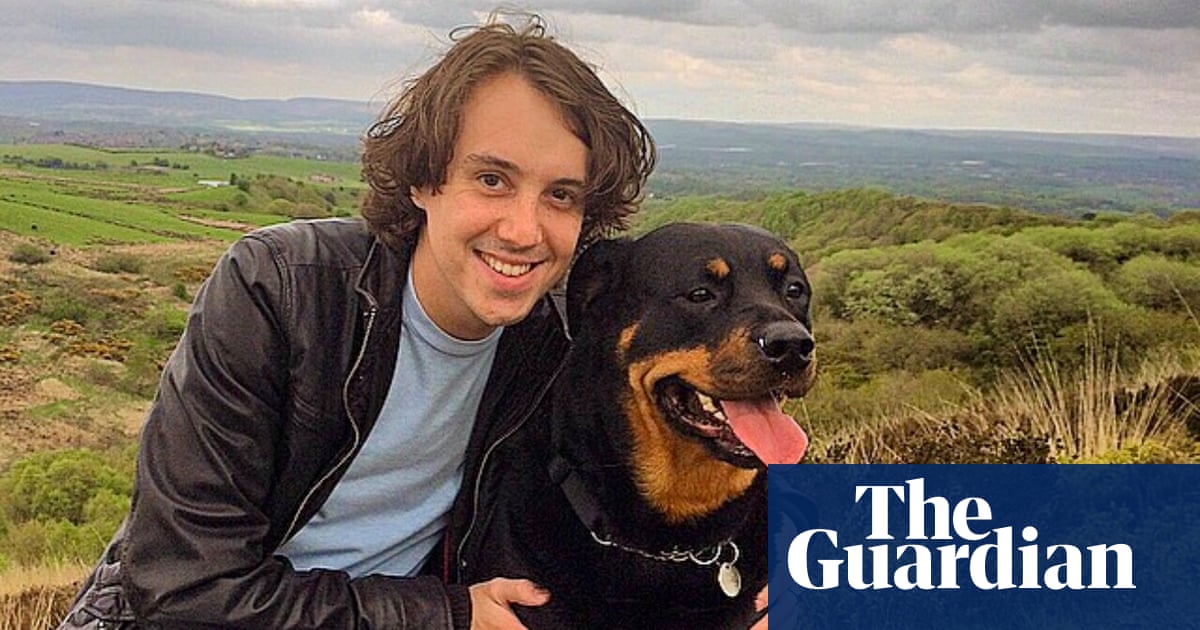
When Oliver Robinson left The Priory, a private mental health facility where he was treated for depression and addiction between 2019 and 2022, he felt he had exhausted conventional treatment options. At first, he was able to find relief elsewhere with a new type of prescription. However, when he took his own life in November 2023 at the age of 34, his family believed that his medication had made his symptoms worse.
An inquest in January concluded that Robinson’s medical marijuana prescription “probably contributed to his death.” Manchester North coroner Catherine McKenna also ruled that his continued use of a prescription first issued in May 2022 by private cannabis provider Curaleaf Clinic “created a barrier” to him receiving appropriate psychiatric and addiction treatment. His family understands this is the first sentence of its kind.
Now, Mr Oliver’s brother, Alexander Robinson, has launched a campaign for greater control over private cannabis clinics in the UK, including a ban on prescribing them to people with severe mental illness and increased oversight of the rapidly expanding industry.
Alexander is concerned that people in Oliver’s position could be harmed by accessing medical marijuana. “If things don’t change, he won’t be the last one,” he said.
Medical cannabis was legalized in 2018 after the mother of a boy from Northern Ireland with severe epilepsy had cannabis oil brought in from Canada confiscated at airport customs. The law has been amended to allow doctors registered on the General Medical Council’s (GMC) specialist register to prescribe cannabis-based medicines (CBMPs).
Currently, the NHS typically prescribes only a small number of licensed CBMPs (those approved by the medicines regulator) for conditions such as severe epilepsy, multiple sclerosis and chemotherapy-related pain. Legally, specialist doctors can prescribe cannabis-based medicines, including unlicensed products, in NHS and private settings if they deem it clinically appropriate.
According to the Care Quality Commission (CQC), the medical regulator that oversees private cannabis clinics, most privately prescribed products are unlicensed, meaning they have not been approved by the medicines regulator. The government reported that there were around 5,000 NHS prescriptions for CBMPs approved in 2023.
There were 659,293 privately prescribed unlicensed cannabis products in 2024, more than double the 282,920 issued in 2023, according to NHS Business Services Freedom of Information data.
Around 80,000 people in the UK are thought to have private prescriptions. However, there is limited evidence that cannabis is suitable for treating depression.
“Under the current UK National Prescribing Guidelines, medical cannabis should not be prescribed to people with a history of severe mental disorder,” expert psychiatrist Dr Pavan Char told Oliver’s inquest. “There is a lack of evidence regarding its effectiveness in treating depression or that it can cause or worsen depression. Based on this evidence, Oliver Robinson should never have been prescribed medical cannabis.”
Alexander argues that safeguards are not strong enough for vulnerable mentally ill patients. ‘Oliver’s Law’ calls for a ban on prescribing to people with serious mental illness, compulsory consultation with NHS mental health teams, face-to-face assessments rather than video consultations for complex cases, increased CQC oversight (including regular audits and publication of prescribing data), mandatory reporting of serious harm, and clearer General Medical Council sanctions for unsafe prescribing.
Oliver had been struggling with his mental health for a long time. Once a successful property developer in his hometown of Bury, he was treated by the NHS and a religious order for depression and low mood, including two hospitalizations, after a business and relationship breakdown.
At the convent he was diagnosed with recurrent depression. He has been a cannabis smoker since the age of 13, and addictive behavior was found to be an important factor affecting his mood.
After leaving the convent for the second time, he returned to using cannabis after finding an old stash in a drawer at home. “He wasn’t feeling happy, and when he tried it, he found that it alleviated some of his depression symptoms,” Alexander recalls. Oliver told his brother that smoking helped him access his emotions during therapy because of the antidepressants he was taking.
Oliver enrolled at Curaleaf Clinic soon after. In May 2022, he had a video consultation with Child and Adolescent Psychiatrist Dr Urmila Boskar, who provided a general practitioner summary from nine months earlier.
After reviewing his case, Curaleaf’s multidisciplinary team of clinicians agreed that it was “appropriate to proceed with a medical cannabis trial.” Oliver received a prescription for medical marijuana.
The doses of medical cannabis products are particularly strong and can contain up to 27% tetrahydrocannabinol (THC), the psychoactive compound found in cannabis. Street cannabis is thought to contain between 15% and 20% THC.
That summer, Alexander said, she started receiving calls from her mother about Oliver’s violent behavior. “She was panicking,” he recalled. “I’ve never heard her so scared.”
Oliver would be furious at his mother’s disapproval of medical marijuana use and would get into a heated argument with her. “There were times when she would lock herself in the bedroom,” Alexander said. “At one point he threatened to drop an incendiary bomb on the house.”
Police were called to the house periodically. As Oliver’s behavior became more threatening and destructive, his mother was classified as a victim of domestic abuse. Police recommended that she obtain a restraining order against her son. The last years of his life, she did not see him.
Oliver, who could no longer live with his mother, tried to rent an Airbnb, but was evicted for using marijuana. He started living in a tent. He lost his job and took out a payday loan to fund his prescriptions, which were costing him up to £1,000 a month. He also used street cannabis when he could not afford to attend a clinic.
Communication with my family has been cut off. Since Oliver lost contact with his mother, Alexander and his father kept the lines of communication open. But they were also abused. Oliver became obsessed with his prescription, actively rejecting anyone who challenged his belief that it was helping him.
“I have 11 months worth of emails and WhatsApp messages that are not from my brother,” Alexander said. “These are the most angry and vitriolic messages I have ever read.
“The next 11 months were the most traumatic and hellish days of my life. I knew he was in complete doldrums and was in constant pain. I also knew he was battling depression.”
Mr Oliver had told his family that his Priory therapist, Dr Justin Haslam, supported his use of cannabis. After the incendiary threat, Oliver’s family wrote a letter to Haslam confirming what they had been told. He responded that he was “very concerned” and said he believed Oliver needed more acute treatment than the priory could provide and referred him to NHS psychiatry.
That summer, Oliver began seeing an NHS psychiatrist in Bury and was diagnosed with bipolar disorder, depression and cannabis dependence. Oliver was referred to addiction services and warned that cannabis was contributing to his worsening symptoms. He refused the diagnosis and refused to be involved.
By November 2023, Oliver’s condition had significantly deteriorated. “He started sending me videos of him trying to cut his wrists with a blunt penknife,” Alexander said.
On Nov. 24, a family friend called and said Oliver had contacted her and told her he was planning to commit suicide. That wasn’t the first warning. “There were a few that week,” Alexander recalled.
But this time felt different. “He didn’t appear online at all, which was unusual for him,” Alexander said. At 6 p.m., I received a call that my brother had passed away.
Following an inquest into Oliver’s death, a coroner’s report revealed a series of failures in his treatment. Prescribing decisions were based on “old GP summary treatment records” and “incomplete information”. The consultant psychiatrist “did not have consultant level experience in treating adult patients with Oliver’s complex symptoms”. Ms Curaleaf had “no direct contact” with Oliver’s NHS or private psychiatrists after learning he was undergoing treatment.
A Future Death Prevention Report was issued by the coroner to Curaleaf, and Curaleaf submitted its response to the coroner on February 17th. The report was also sent to the Healthcare Quality Commission, which rated the clinic as “good” last year.
A CQC spokesperson said: “Although the coroner did not make CQC the designated recipient of this report, we are reviewing the report and considering whether any regulatory action is required.”
Curaleaf said in a statement: “Our thoughts are with Mr Robinson’s family. The coroner’s findings and our detailed response to them are publicly available. We take clinical governance seriously and many of the improvements identified were already in place before the inquest.”
“All prescribing decisions at Curaleaf Clinic are made by a multidisciplinary team rather than a single clinician and are informed by an evidence base that undergoes ongoing review. Our commitment to responsible, clinically-driven care is absolute, and we will continue to support our patients by listening, reflecting, and improving our practice.”
It added: “We look at the concrete proposals put forward by the campaign. Regulatory policy issues are a matter for the relevant authorities, including the CQC and the MHRA.” [Medicines and Healthcare products Regulatory Agency] And GMC. Curaleaf Clinic will engage constructively with any reviews and consultations aimed at strengthening patient safety across the sector. ”
#prescribed #private #cannabis #clinic #faces #calls #tighter #regulation