
Read industry reaction to ZARA x John Galliano, find out how the Strait of Hormuz closure is impacting apparel workers, and see which beauty brands are being held accountable in this month’s news roundup.
The uproar over Zara and Galliano: “This is a power transfer from Inditex” (Fashion United)
After the announcement of John Galliano and Zara’s collaboration to reinvent the fast fashion retailer’s ‘archive’, Anna Roos van Wijngaarden analyzes the industry’s reaction. They range from questioning whether ZARA has an archive after allegedly plagiarizing so many designs from other brands, to pointing out the disparate impact on the reputations of both Galliano and ZARA.
Concerns have been raised that the disruption caused by the US and Israeli attacks on Iran will have a serious impact on global supply chains (Business and Human Rights Center)
The Center for Business and Human Rights has been tracking the impact on supply chains and workers since the outbreak of the US-Israel-Iran war, and found that shipment delays due to the closure of the Strait of Hormuz have led to “fear of factory closures, unpaid wages, and ‘additional cost burdens’ that could be imposed on suppliers and workers.”
SHEIN wants brands to use its supply chain. Should they? (fashion business)
Shayeza Walid’s exclusive report published in Business of Fashion explores how SHEIN is opening up its “on-demand” supply chain infrastructure to other brands for manufacturing. But that also comes with the reputational risk of linking up with ultra-fast fashion retailers and helping to further accelerate the fast-fashion system, Walid said.
What if natural fibers don’t biodegrade? (Vogue Business)
Following a new report co-authored by Fashion Revolution co-founder Carrie Somers, journalist Sophie Benson reports on the industry’s increasingly prevalent questions about the staying power of natural fibers under certain conditions. Benson examines what biodegradation actually means and how that conversation compares to the narrative around the persistence of synthetic fibers in the environment.
Marks & Spencer launches monthly capsule program to speed time to market (Fashionunited)
In an effort to move closer to an ultra-fast fashion business model, Marks & Spencer introduced a monthly product drop model to reduce the time it takes to design and deliver clothing to stores, reducing delivery times to just two weeks. According to a report from FashionUnited, the company says it will offer “more frequent newness and higher trend authenticity.”
Seaweed dye startup raises £200,000 (EcoTextile News)
Scottish dye company SeaDyes has raised £200,000 to expand its work developing seaweed dyes as a potential alternative to synthetic options, according to EcoTextile News.
H&M and EY ask CFO to fund decarbonization of fashion supply chain (ESG News)
H&M has partnered with EY to produce a new industry white paper calling on the fashion industry to increase collaboration and funding to decarbonise its supply chain. The paper also notes that brands need to see decarbonization not just as a “nice-to-have” feature of their sustainability strategy, but as a financial strategy that reduces climate-related business risks and aligns with global goals.
Young fashion fans are helping British charity shops thrive on Britain’s struggling high streets (The Guardian)
The Guardian reports that growing interest in online second-hand resale is having a positive impact on Britain’s brick-and-mortar charity shops, which saw profits rise last year. This comes after a tough period of competition from digital platforms and being overwhelmed by low-priced, ultra-fast fashion clothing. Experts warn that while challenges remain, there is an opportunity for restructuring in the sector.
French court holds Yves Rocher responsible for labor rights violations at Turquier (industrial union)
Industrail Union reports on a French judgment that found cosmetics company Yves Rocher had failed to comply with laws requiring companies in the region to identify and prevent human rights violations in their global operations. The case concerns labor violations at the company’s Turkish subsidiary.
Italy investigates Sephora over selling cosmetics to children (Reuters)
Reuters reports that Italy’s competition authority is investigating Sephora and Benefit for using very young micro-influencers on social media to prematurely market adult cosmetics and skin care to children. Regulators say this behavior contributes to “the compulsive purchasing of face masks, serums and anti-aging creams, and behavior that leads to ‘cosmecolexia’, an unhealthy obsession with skin care among minors.”
“Good” and “Great” News
Every month, we publish news and product highlights from highly rated brands, evaluated through a rigorous rating system. By using our codes and links, we may earn commissions that support our work. learn more.
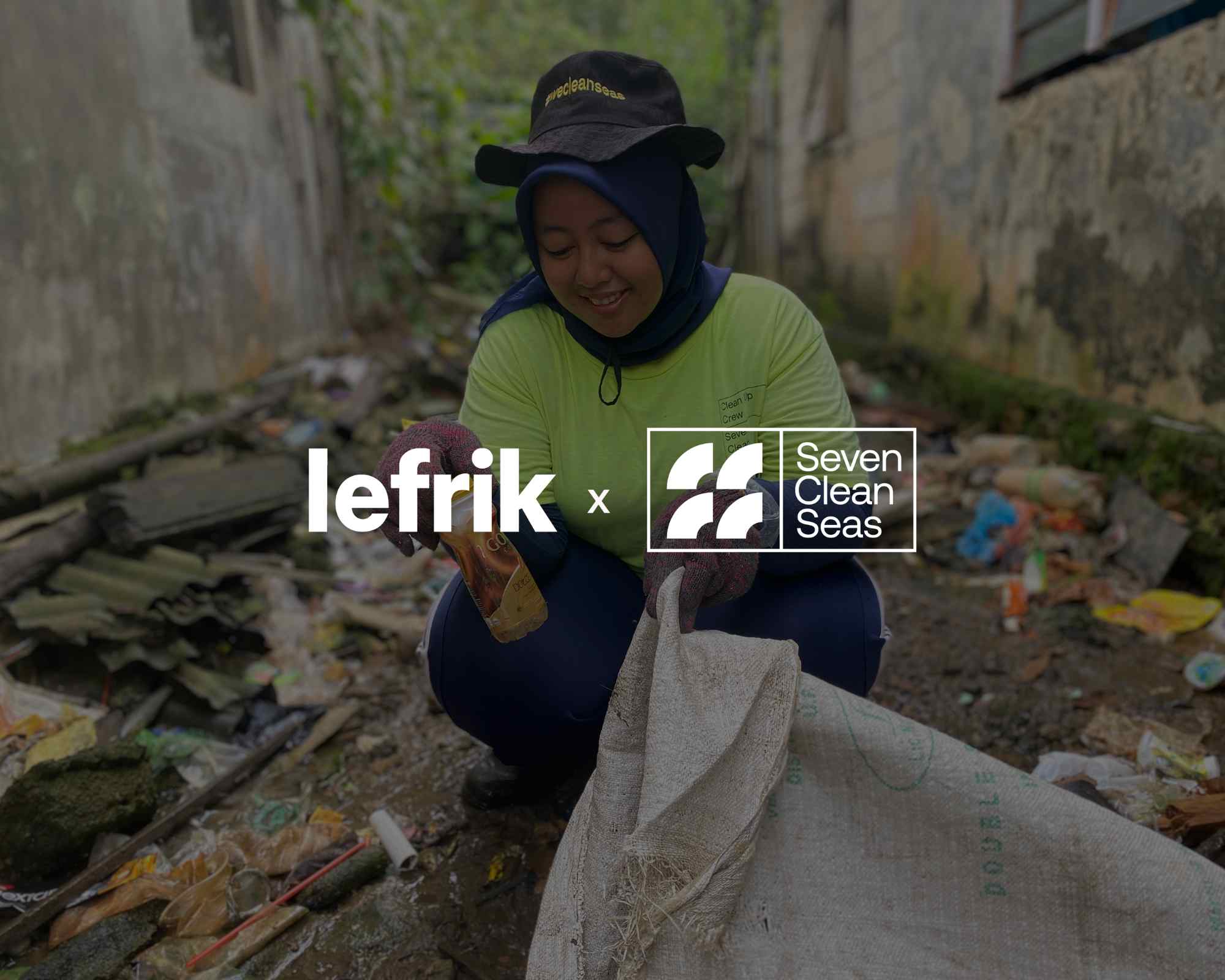
Lefrik (‘Great’) partners with Seven Clean Seas
More sustainable bag brand Refrik has announced its latest philanthropic partnership with Seven Clean Seeds, an organization building an anti-plastic pollution program. For every Lefrik product sold, many of which are made from recycled plastic, the brand will allocate resources to support plastic recovery efforts in Indonesia, which the company says will help connect its design principles and production with its environmental efforts.
DAWN Denim, Shop Like You Give a Damn and Cotton Diaries talk fibers in new podcast episode
Shop Like You Give a Damn, a sustainable retailer including DAWN Denim (‘Great’), has partnered with an organization called Cotton Diaries to produce a fascinating new podcast episode that delves into the myths around textiles and what renewable cotton farming actually means.
Kuyichi celebrates 25 years with the launch of a 25-part blog series
The great denim brand Kuyichi is celebrating its 25th anniversary with a series of 25 blog posts detailing its history and more. The first article focuses on the brand’s inspiring beginnings. “Long before sustainable fashion became a movement, [Kuyichi] It was simply a reaction to a reality we could not accept.”
‘Amazing’ denim brand Triarchy begins investment activity
Acclaimed denim brand Triarchy has launched an investment effort with FrontFundr to ensure financial security for the next 12 months. This will help fund more sustainable production options such as digitally dyed denim and next generation materials.
Armedangels launches windproof outerwear made from Tencel Lyocell
Technical outerwear is often treated with harmful chemicals and plastic coatings to achieve qualities such as windproofing, but ‘Great’ brand Armedangels has launched a new line of windproof jackets made from the low-impact fiber Tencel Lyocell. “Windproofing comes from the fabric itself, not from an additional membrane. The material is permanently compressed using heat and pressure to increase its density. This process provides up to 97% windproofing while maintaining breathability,” the brand explains.
#sustainable #fashion #beauty #April #Good